Newington Causeway packing tips for Elephant and Castle movers
Posted on 19/06/2026

Newington Causeway Packing Tips for Elephant and Castle Movers
If you are moving around Newington Causeway, you already know this part of Elephant and Castle can feel busy, tight, and slightly unforgiving on moving day. One minute the street is calm; the next, a van is edging in, a lift is booked, and somebody is still hunting for tape. That is exactly why Newington Causeway packing tips for Elephant and Castle movers matter so much. Good packing is not just about getting things into boxes. It is about protecting fragile items, saving time, reducing stress, and making the actual move smoother from the first lift downstairs to the last box through the front door.
In this guide, you will find a practical, local-minded approach to packing for a move in and around Newington Causeway. We will cover what makes the area a little different, how to pack efficiently, what to avoid, and when it makes sense to get extra help. If you are comparing options, you may also want to look at packing and boxes support in Elephant and Castle, especially if you are short on time or moving from a flat with awkward access. Let's make this manageable.
Why Newington Causeway packing tips for Elephant and Castle movers Matters
Newington Causeway sits in a part of London where moving logistics can become complicated quickly. There is traffic to think about, pedestrian flow, limited stopping room, busy pavements, and the usual London reality of stairs, tight corridors, and lifts that seem to have their own opinions. Packing well helps you control the one part of the move that you can actually manage.
The truth is, poor packing creates a domino effect. A weak box slows loading. Loose items take longer to sort. Overpacked cartons are harder to carry and more likely to split. Then there is the classic problem of not labelling anything properly, which turns unpacking into a small domestic mystery. Who packed the kettle? Where are the chargers? Why are the pillowcases with the books?
For movers in Elephant and Castle, packing matters even more because homes are often a mix of compact flats, shared buildings, older conversions, and modern developments with lift bookings or concierge rules. That mix is manageable, but only if your packing is organised and realistic. If you are planning a flat move specifically, it is worth reviewing flat removals in Elephant and Castle so your packing plan matches the property type.
Expert summary: good packing is less about perfection and more about reducing friction. Every sensible label, reinforced box, and separated essentials bag saves time later. On Newington Causeway, that time saving can be the difference between a moving day that feels controlled and one that feels slightly chaotic by 10 a.m.
How Newington Causeway packing tips for Elephant and Castle movers Works
At a practical level, packing for a Newington Causeway move works best when you treat it like a sequence, not a single task. First you sort. Then you declutter. Then you protect, box, label, and stage everything so it can be loaded in the right order. Sounds obvious, but honestly, most moving-day problems come from skipping one of those steps.
The packing process should reflect your route, property access, and moving team size. A one-bed flat with a lift is very different from a top-floor walk-up with a narrow landing. If you are using a man and van service in Elephant and Castle, for example, packing efficiency becomes even more important because time and space are both at a premium. A bigger home move will often need a more layered approach, which is where house removals in Elephant and Castle can be a better fit.
The basic idea is simple:
- Pack by room, not by random convenience.
- Use the right box for the right weight.
- Keep essentials separate and easy to reach.
- Label sides and tops clearly.
- Prepare for loading order before the van arrives.
Once you do that, your move starts to feel organised before anybody has carried the first box. And that, to be fair, is half the battle.
Key Benefits and Practical Advantages
Strong packing gives you more than neat boxes. It affects almost every part of the move, from cost to stress levels to the condition of your belongings when they arrive.
- Less damage: proper wrapping and box selection protect fragile items, electronics, and furniture edges.
- Faster loading: boxes that stack well and have clear labels are simpler to move.
- Cleaner unpacking: room-by-room packing makes the new place feel liveable much sooner.
- Lower stress: you are not scrambling for essentials or re-opening boxes repeatedly.
- Better use of vehicle space: a well-packed van fits more safely and securely.
There is also a financial angle. If movers spend less time dealing with poorly packed items, everything tends to go more smoothly. That can matter whether you are booking a full move or comparing different service levels through pricing and quotes. Nobody wants to pay for avoidable delays, especially in a busy area like Elephant and Castle.
And there is another advantage people forget: better packing protects your energy. Moving is tiring enough without second-guessing every box you touch. A sensible system lets you stay calmer, even if the hallway is full and someone's plants are blocking the fire exit again. It happens.
Who This Is For and When It Makes Sense
These packing tips are useful for almost anyone moving near Newington Causeway, but they are especially relevant if you are dealing with one of the following situations:
- you are moving from a flat with limited storage space
- you have a lot of breakables or electronics
- you are using a smaller van or a time-limited service
- you have a move date close to month-end, when lift and access pressure can build
- you are packing while still living in the property, which means daily life and moving prep overlap
- you are a student, first-time renter, or someone moving on a tighter budget
This is where student removals in Elephant and Castle can be a good match for lighter loads, mixed contents, and faster turnaround moves. On the other hand, if you have large furniture, awkward items, or a piano, you may need a more specialised plan. Not every box is just a box, after all.
It also makes sense when you are planning a same-day move or a fast handover. If things are moving quickly, packing is not the place to improvise. A rushed last-minute job can be the difference between a decent day and a messy one. You know how it goes: one missing roll of tape becomes a minor crisis somehow.
Step-by-Step Guidance
1. Start with a proper sort-out
Before you wrap a single mug, decide what is coming with you. Separate keep, donate, recycle, and bin items. The less you move, the less you pack. Simple, but hugely effective. If you are moving out of a smaller flat, this stage often reveals how much stuff has been quietly living in cupboards for years.
2. Gather the right materials early
Use strong boxes, packing tape, paper or bubble wrap where needed, markers, and a few bags for essentials. Do not rely on old supermarket boxes for everything. Some are fine, some are tired, and some collapse at the worst possible moment. Choose sturdier cartons for books and kitchenware, and avoid overfilling any single box.
3. Pack by room and by weight
Keep items from the same room together. Pack heavy items at the bottom, lighter items on top, and fragile items separately. Books, for example, should go into smaller boxes. Towels and bedding can fill gaps and protect awkward shapes. Kitchen glassware needs more padding than people think. The clink of two glasses touching in a box is never a good sound.
4. Label clearly on at least two sides
Write the room, key contents, and whether the box is fragile. Two sides is better than one because boxes do not always land face-up. Add a small note like "open first" for the essentials you will need straight away. Honestly, this tiny habit saves a lot of grumbling later.
5. Create an essentials box or bag
Keep daily-use items with you: phone charger, toiletries, medication, kettle, tea, snacks, basic toiletries, a change of clothes, and any important documents. If you move into the new place late in the day, this box is what makes the first evening feel human rather than improvised.
6. Prepare furniture and bulky items separately
Take photos before dismantling anything. Keep screws and fittings in labelled bags taped to the correct item. If you are moving larger pieces, it may be worth using furniture removals in Elephant and Castle so you are not wrestling with heavy items in a narrow corridor.
7. Stage everything near the exit
On the day before the move, place packed boxes in one clear area if possible. Leave pathways open. This helps movers work faster and keeps the property safer. If you are in a building with a shared entrance, it also reduces clutter and noise in the common areas, which neighbours do notice.
Expert Tips for Better Results
A few small adjustments can make your packing much better. Nothing flashy. Just the sort of practical stuff that experienced movers quietly rely on.
- Use smaller boxes for heavy things: a small box full of books is usually safer than a large box half-full of books and regret.
- Pad empty spaces: anything that rattles in a box is asking for trouble.
- Keep cables with the device: label chargers, leads, and accessories together in a clear bag.
- Protect corners and edges: mirrors, frames, and tables get damaged at the edges first.
- Take a quick inventory photo: if you need to check what was packed where, your phone will help.
- Use colour coding if you can: one colour for kitchen, one for bedroom, one for essentials. Easy to spot, even when the day gets busy.
One thing we always tell people: pack as if someone else will unpack for you. Because on moving day, someone else probably will. Maybe not in a fancy, white-glove way, but still. Clear packing makes the job easier for everyone.
If you want broader moving support, removal services in Elephant and Castle can help you match the right level of help to the size and complexity of your move. For many people, that is the sensible middle ground.

Common Mistakes to Avoid
Most packing problems are predictable. That is the good news. The bad news is that they are also very common. Here are the big ones to watch out for.
- Overpacking boxes: if you cannot lift it safely, it is too heavy.
- Mixing too many room contents: one random box with "bits and pieces" usually becomes a headache later.
- Using poor tape: weak tape fails at the exact wrong moment.
- Leaving packing until the night before: that is how people end up putting mugs in duvets. Not ideal.
- Forgetting fragile labels: the box may look sturdy, but that does not mean its contents are.
- Not checking access rules: lift slots, concierge instructions, and loading restrictions can all affect timing.
Another subtle mistake is packing the new-home essentials too deep. You do not want the toothbrush trapped behind winter coats and a slow cooker. Keep first-day items visible and separate. It sounds minor, but after a long day it really matters.
Tools, Resources and Recommendations
The right packing kit keeps things simple. You do not need a warehouse of supplies, but you do need the basics.
| Item | Best Use | Practical Note |
|---|---|---|
| Small boxes | Books, tins, heavy kitchen items | Safer to carry and less likely to split |
| Medium boxes | General household items | The most flexible everyday option |
| Large boxes | Light bulky items like bedding | Keep weight low to avoid strain |
| Packing paper or wrap | Glasses, plates, ornaments | Separate layers carefully |
| Strong tape | Sealing all cartons | Use generously on the base and seams |
| Markers and labels | Room and content identification | Write large enough to read at a glance |
If your move includes items that need more than ordinary care, it is worth checking specialist pages such as piano removals in Elephant and Castle. Likewise, if you are combining packing with storage because your dates do not line up neatly, storage in Elephant and Castle can be a useful bridge.
One more recommendation: keep a small toolbox nearby. Allen keys, scissors, a screwdriver, and a utility knife can save time when furniture needs a quick tweak. Nothing fancy. Just practical.
Law, Compliance, Standards, or Best Practice
Packing itself is not heavily regulated, but there are still sensible standards and duties to keep in mind. In the UK, movers and householders should think in terms of safe handling, property access, and general care for people and belongings. That means sensible lifting, stable stacking, and not blocking communal areas or exits.
If you are using a removal company, it is good practice to check how they approach insurance, item protection, and handling procedures. A reputable provider should be transparent about what is included and what responsibility sits where. If you want to understand those expectations more broadly, insurance and safety is a sensible page to review before booking.
There is also a sustainability angle. Reusing boxes where they are still strong, recycling broken-down materials properly, and avoiding unnecessary waste all fit common best practice. If that matters to you, take a look at recycling and sustainability. It is a small thing, but it adds up.
Finally, remember building rules. Many London flats and managed blocks have access conditions, lift reservations, or corridor protection requirements. These are usually set by the building management rather than by law, but they still matter. Ignoring them can make a move harder for everyone involved. Not worth it.
Options, Methods, or Comparison Table
Different packing methods suit different moves. Here is a simple comparison to help you decide what fits your situation best.
| Method | Best For | Strengths | Trade-Offs |
|---|---|---|---|
| Self-packing | Smaller moves, tight budgets | Cheapest, full control | Time-consuming, more risk if rushed |
| Partial packing help | Busy households, mixed loads | Good balance of cost and convenience | Still requires some organisation |
| Full packing service | Large homes, fragile or time-sensitive moves | Fast, professional, less stress | Higher cost than DIY packing |
If you are moving from a smaller flat near Newington Causeway and just need the loading side handled, a lighter option such as man with a van in Elephant and Castle may suit you well. If the move is larger or more structured, removals in Elephant and Castle gives you a broader service picture.
There is no single right answer. The best method is the one that matches your home size, timeline, and energy. Simple as that.
Case Study or Real-World Example
Imagine a couple moving from a two-bedroom flat near Newington Causeway to a new place slightly further south. They have books, kitchenware, framed prints, two work-from-home setups, and a sofa that looks easy until you try moving it through a narrow hallway. They start packing three evenings before the move, which already puts them ahead of the usual scramble.
They sort first, donating duplicate kitchen items and recycling broken storage bits. They pack books into small boxes, label all cables, and keep one essentials bag for each person. The kitchen gets wrapped with extra care because glassware and plates tend to travel badly if rushed. Furniture is dismantled the night before, with screws placed in labelled bags and taped to the matching item. Nothing complicated. Just steady and sensible.
On moving day, the boxes are already grouped near the door. The movers do not need to stop and ask which room is which. The van is loaded in a good order: heavy items first, fragile boxes secured on top, essentials last. The whole thing runs more calmly than expected, and the new place is usable the same evening. That is the goal, really. Not perfection. Just a move that does not chew up your whole week.
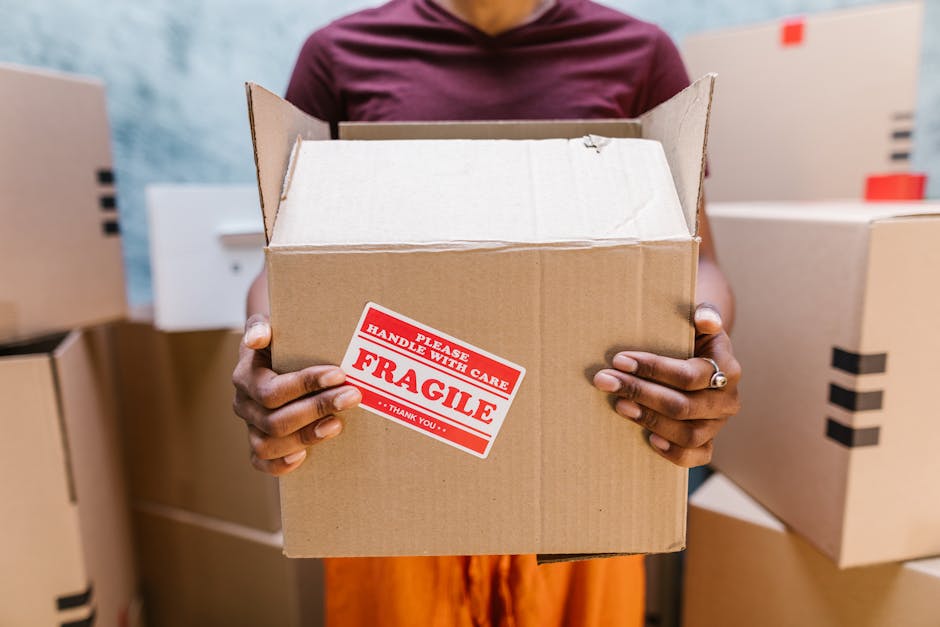
Practical Checklist
Use this checklist a day or two before moving:
- sort items into keep, donate, recycle, and bin
- collect boxes, tape, labels, and packing wrap
- pack room by room
- use small boxes for heavy items
- wrap fragile items individually
- label every box on at least two sides
- prepare an essentials box or bag
- take photos of furniture before dismantling
- keep screws, plugs, and accessories together
- check building access rules and lift bookings
- clear walkways and staging space
- confirm timing with your removal team
Quick takeaway: if you can answer "what is in this box, where does it go, and will it survive the trip?" you are usually packing well enough.
If you want to round out your planning, it can help to explore the services overview and compare it with your moving timeline. And if budget is on your mind, our prices gives you a clearer view of how different move types may be structured.
Conclusion
Newington Causeway packing does not need to feel overwhelming. The key is to pack with the street, the building, and the moving day in mind. When you sort early, label clearly, protect fragile items properly, and stage everything with loading in mind, the whole process becomes more manageable. Less chaos. Fewer surprises. A lot less backtracking.
For Elephant and Castle movers, that local awareness really matters. Small details like lift access, box weight, and essentials packing can change the feel of the whole day. Keep it practical, keep it organised, and do not try to do everything in one frantic burst. That never ends well, does it?
If you are planning a move soon, speak to a team that understands local access, flat moves, and the pace of the area. A little guidance now can save a lot of stress later, and that is usually worth it.
Get a free quote today and see how much you can save.


