Commercial Moves in Elephant and Castle
If you are planning commercial moves in Elephant and Castle, you already know the area comes with its own set of practical challenges and opportunities. From busy main roads and mixed-use buildings to modern office developments, retail units, clinics, workshops, and shared workspaces, moving a business here takes careful coordination. A good move is not just about transporting desks and boxes. It is about keeping disruption low, protecting stock and equipment, fitting around building access rules, and helping your business get back to normal quickly.
Elephant and Castle is one of South London’s busiest and most varied districts, with everything from newly built apartments above commercial spaces to older terraces, creative offices, independent shops, and hospitality venues. That means every commercial relocation needs a plan tailored to the building type, the street layout, the loading arrangements, and the working hours of the business involved. Whether you are moving a small office, relocating a shop, clearing a unit, or shifting equipment between premises, a local team can make a major difference.
This page is designed for local business owners, managers, landlords, and office coordinators who want a reliable, practical service. If you need a move that is organised, efficient, and suited to the realities of the area, commercial moves in Elephant and Castle should be approached with local knowledge, proper planning, and the right equipment. Request a free quote or book your service now when you are ready to take the next step.
Why Commercial Moves in Elephant and Castle Need Local Planning

Elephant and Castle is a fast-moving part of central and south London, and that creates both logistical and operational pressures. Streets can be busy during peak hours, access can be limited by road layout, and many buildings have shared entrances, lift restrictions, or strict time slots for loading and unloading. Businesses in the area also operate in a mix of settings: high-rise office floors, small retail units, market-adjacent spaces, industrial-style premises, and residential-led developments with commercial units on the ground floor.
Because of that variety, a standard one-size-fits-all removal approach often falls short. A local commercial move should start with a clear picture of what is being moved, where it is moving from, and what the destination building allows. The more complex the site, the more important it becomes to plan routes, parking, lift access, stair use, and any required sequencing of furniture or stock. That preparation helps reduce delays, protects your assets, and keeps staff time away from business operations to a minimum.
There is also the matter of timing. Many businesses in Elephant and Castle need out-of-hours or early-morning moves to avoid disrupting customers, patients, clients, or tenants. A local moving team understands how to work around those demands and adjust the schedule to suit your opening hours, staff availability, and building management requirements. When your move is planned around your real working day, the whole process feels far more manageable.
What Our Commercial Moving Service Can Cover

Commercial relocations vary widely, and the best service should be flexible enough to handle different types of business premises. Some customers need a full office relocation, while others only need help moving a few bulky items, archive boxes, or specialist machines. A professional service should be able to adapt to both small and larger-scale projects.
Common commercial moving needs in the Elephant and Castle area include office furniture relocation, retail stock transfer, hospitality equipment moves, clinic and practice relocations, warehouse or storeroom clear-outs, and internal business moves within the same building. This can involve desks, chairs, meeting tables, filing cabinets, IT equipment, display stands, shelving, stock, and sensitive documents. If your move includes fragile or high-value items, it is especially important to use methods that reduce handling risks and keep everything organised from start to finish.
Some companies also need help with partial moves. For example, you may be refurbishing one floor, reconfiguring an office, or moving part of your team to another location while leaving the rest of the business in place. In these cases, coordination matters just as much as transport. Commercial removals in Elephant and Castle are often most successful when they are broken into stages, with labelling, prioritisation, and clear room-by-room planning.
Typical items handled during a business relocation
- Office desks, task chairs, cabinets, and storage units
- IT equipment, monitors, printers, and peripherals
- Retail fixtures, displays, and shop fittings
- Stock, inventory, and boxed goods
- Archive files and business paperwork
- Kitchen, break-room, and hospitality items
- Light machinery, tools, and specialist equipment
- Meeting room furniture and reception pieces
How a Commercial Move Is Usually Managed

A well-run business move should feel organised from the first enquiry to the final placement of the last item. It starts with understanding the scope of the job. That means assessing what needs to move, the volume involved, whether there are lift or stair restrictions, and whether any items need extra care. Many customers also appreciate a service that can account for dismantling and reassembly where needed, especially for larger desks, boardroom tables, modular shelving, or fitted office furniture.
Once the move is planned, the team can schedule the work at a suitable time and prepare the loading process. For businesses near the Elephant and Castle roundabout, along Walworth Road, or close to busy mixed-use blocks, timing and access are especially important. A move may need staggered loading, repeated shuttle runs, or coordinated use of trolleys and protective equipment to handle the building environment efficiently. The aim is simple: keep everything moving safely and avoid unnecessary downtime.
During the move itself, good communication is essential. Staff should know what is being moved first, where items are going, and which items need to stay accessible during the transition. At the destination, items should be unloaded in a logical order so your team can resume work without confusion. Efficient commercial moving is not just about transport; it is about helping the business settle in properly once the move is complete.
What a structured move can include
Pre-move planning, packing support, item labelling, loading, transport, unloading, and placement at the new site are all important. For many customers, a commercial move also includes dismantling selected furniture, handling delicate equipment with extra care, and working around building-specific access restrictions. The more clearly the move is structured, the smoother it tends to feel on the day.
Why Local Knowledge Matters in Elephant and Castle

Choosing a local company for commercial moves in Elephant and Castle can save time and reduce stress in ways that are easy to overlook before moving day arrives. Local knowledge matters because the area combines busy arterial routes, dense residential blocks, commercial units, and ongoing redevelopment. Access may change from one building to the next, and parking or loading availability can be limited at certain times.
A local team is more likely to understand how to work around these conditions. That can mean planning for narrow loading bays, coordinating with building management, accounting for timed access windows, or preparing for situations where items need to be carried from a nearby stopping point rather than parked directly outside. In commercial moves, those details make a real difference. They can mean the difference between a controlled schedule and a stressful, delayed day.
Businesses also benefit from a team that understands nearby districts and the wider South London area. If your move involves connections to Borough, Kennington, Walworth, Southwark, Newington, Camberwell, or Peckham, local route familiarity can help with timing and access planning. Commercial relocation in Elephant and Castle is often smoother when the moving team already knows the local roads, building layouts, and common access constraints.
Local advantages customers usually appreciate
- Better understanding of traffic patterns and busy time windows
- More practical planning for loading, unloading, and parking
- Faster responses to short-notice changes or building restrictions
- Experience with mixed-use blocks, offices, shops, and studio spaces
- More realistic scheduling for central and inner-city moves
What Makes a Business Move Successful?
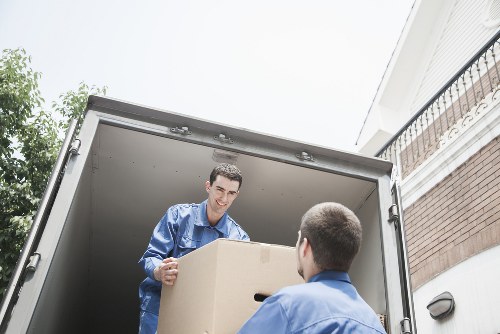
Success in a business move is often measured by how little it disrupts the working week. If your staff can return to their desks quickly, if your stock arrives in order, and if your equipment is placed where it should be, the move has done its job well. To achieve that, several pieces need to work together: planning, packing, communication, and experienced handling.
One of the biggest issues in commercial removals is poor preparation. Boxes without labels, unplanned dismantling, or unclear destination rooms can slow everything down. Similarly, business owners sometimes underestimate how long it takes to move archive material, specialist hardware, or awkward furniture through shared hallways and lifts. A good moving team helps you avoid those bottlenecks by structuring the work and anticipating likely obstacles before they become problems.
It also helps when the service is designed around business continuity. For many customers, the most valuable result is not simply that the items arrive safely, but that the premises remain functional throughout the process. That may involve moving departments in phases, protecting frequently used work areas, or relocating priority equipment first. When the right items are moved in the right order, your reopening or restart becomes much easier.
Key success factors
- Clear planning before moving day
- Accurate labelling and room mapping
- Protection for furniture and delicate items
- Efficient loading and unloading procedures
- Awareness of access, lift, and parking limitations
- Good coordination with staff and building managers
Who Uses Commercial Moves in Elephant and Castle?
A wide range of local customers need commercial moving support. Some are independent businesses with a single office or shopfront. Others are larger organisations shifting departments, upgrading premises, or consolidating sites. The service is useful for landlords, tenants, property managers, and business owners who need practical help with moving premises safely and efficiently.
Common customers include professional services firms, creative agencies, clinics, training providers, retailers, cafes, restaurants, coworking operators, start-ups, and storage-based businesses. The exact needs vary, but the overall aim stays the same: move business assets without causing unnecessary damage or delay. In a place like Elephant and Castle, where commercial spaces are often part of a broader mixed-use environment, this can require extra care when coordinating with neighbours, residents, and site managers.
There are also scenarios where a business move is linked to a wider project. You may be refurbishing, downsizing, expanding, or preparing a unit for a new tenant. In each case, a reliable moving service helps keep the process neat and well controlled. If you need a flexible local team, it is worth asking for a move plan that matches your business needs rather than a generic approach.
What Is Included in a Professional Commercial Move?
Every company structures its service slightly differently, but a strong commercial moving arrangement should give you practical support across the main stages of the job. For local customers, that usually means more than just transport. It should be a coordinated service that reduces pressure on your staff and helps protect your business property.
Depending on your requirements, a move may include packing support, dismantling selected furniture, careful loading, transport between premises, unloading, and placement in the correct rooms or zones. Some customers also need help with moving equipment that must remain upright, protected from impact, or kept together with associated accessories. If your move includes files, sensitive paperwork, or confidential items, organisation becomes even more important so that everything is accounted for throughout the process.
It is also helpful if the service can work around different building conditions. Commercial properties in Elephant and Castle may include modern apartment-led developments with concierge-style access, older premises with stairs, retail units at street level, and offices on upper floors. A properly prepared move should take these variations seriously and use the right handling methods accordingly.
Common service features customers request
- Pre-move assessment and practical planning
- Disassembly and reassembly of selected furniture
- Protective handling for fragile and high-value items
- Loading and unloading with suitable equipment
- Placement of items in designated areas
- Phased moving options for busy businesses
- Support for office, retail, and mixed commercial spaces
Preparation Checklist for Your Business Move
Good preparation can make a commercial move feel far more manageable. Even if a moving team is handling the heavy lifting, there are still practical steps your business can take before the day arrives. These steps help reduce confusion, lower the chance of misplaced items, and make set-up at the new site quicker and less stressful.
Start by identifying what will be moving and what will stay behind. Then label equipment, boxes, drawers, and furniture in a clear way that suits your team. It can also help to assign a move lead internally so staff know who to ask if something needs clarification. If you are in a shared building or managed property, notify the relevant people early so lift bookings, loading access, or time restrictions can be confirmed ahead of time.
For technology, back up important files and decide in advance how computers, monitors, and printers should be disconnected and reconnected. For stock or files, organise the order in which items should be unpacked so your team can get back to work quickly. A tidy preparation plan reduces wasted time and helps your relocation stay on track.
Simple pre-move checklist
- Confirm what is moving and what is not
- Label boxes and furniture clearly
- Back up digital files and secure important records
- Check access arrangements at both locations
- Reserve lift or loading use if required
- Inform staff about timings and responsibilities
- Prepare keys, passes, or building instructions in advance
Pricing Factors for Commercial Moves
Customers often want to know what affects the cost of a commercial move, even when they are only at the enquiry stage. While exact prices depend on the job, several common factors influence the overall cost and planning requirements. Understanding these factors can help you compare quotes more fairly and choose the service that fits your needs.
The main considerations usually include the size of the move, the distance between premises, the number of items to be moved, the complexity of access, and whether there are special handling needs. A straightforward office move on the same floor or within the same building may be simpler than relocating a multi-room business from an upper level to another part of South London. Timing can also affect the arrangement, especially if the move must happen outside standard business hours.
Extra services can also influence the scope of the job, such as dismantling furniture, packing support, moving delicate equipment, or handling phased relocations over more than one day. The best way to keep planning clear is to share an accurate description of your move from the start. That helps ensure you receive a quote that reflects the actual work involved rather than a vague estimate that may not suit your building or timeline.
Factors that may affect the move
- Total volume of items and furniture
- Need for dismantling or reassembly
- Floors, stairs, lifts, and access restrictions
- Distance and travel time between sites
- Out-of-hours or weekend scheduling
- Fragile, bulky, or specialist items
- Packing and unpacking support requirements
Areas Covered Around Elephant and Castle
Commercial clients in Elephant and Castle often need services that extend beyond the immediate area. Businesses move between nearby neighbourhoods, from central London office spaces to Southwark and Lambeth locations, or between retail and storage units in surrounding districts. A local team can usually plan around these short urban routes more effectively than someone unfamiliar with the area.
Nearby areas commonly included in commercial relocation planning may include Walworth, Kennington, Borough, Southwark, Camberwell, Newington, Peckham, and parts of Lambeth. These areas share many of the same practical realities: busy roads, controlled parking, a mix of older and newer buildings, and limited loading space in some streets. Being familiar with those conditions helps keep the move efficient and avoids unnecessary surprises on the day.
If your business operates across several sites, a local moving service can also help with internal transfers, repeated deliveries, and staged relocations. That is particularly useful for organisations that cannot shut down completely while moving. For many local businesses, flexibility is just as important as transport capacity.
Commercial Move Types We Commonly Support
Every business has a different moving pattern, and the service should reflect that. Some customers require a full relocation of an office or unit, while others only need specific items shifted safely between premises. Understanding the type of move you need helps create a more efficient plan from the outset.
Typical move types include office relocations, retail refits, hospitality transfers, clinic or treatment room moves, archive and storage transfers, and commercial clearances. Office moves often involve desks, chairs, IT equipment, and paperwork. Retail moves may involve stock, display units, shelving, and counters. Hospitality moves might include tables, preparation equipment, and front-of-house furniture. Each one needs careful handling and a realistic schedule.
There are also internal moves to consider. Sometimes a business stays in the same property but needs help moving between floors, reorganising a reception area, or clearing space for refurbishment. These jobs may seem smaller, but they still benefit from a structured approach, especially in buildings where access is tight or shared with residents and other tenants. Commercial moves in Elephant and Castle are often about precision, not just size.
Frequently Asked Questions
How far in advance should I arrange a commercial move?
It is best to arrange your move as early as possible, especially if you need a specific date, limited access times, or work outside normal hours. Early planning helps with building permissions, internal organisation, and staffing.
Can you help with office furniture dismantling?
Many commercial moves need at least some dismantling, particularly for larger desks, meeting tables, and modular furniture. It is sensible to confirm these requirements during the planning stage so the right approach is used.
Do commercial moves work for small businesses too?
Yes. Smaller offices, studios, and independent shops often need the same careful planning as larger companies. Even a compact move can be complicated if access is tight or the premises are in a busy mixed-use building.
What if my building has restricted loading access?
Restricted loading is common in Elephant and Castle. A local team should factor this into the schedule, including parking limitations, time slots, and the safest route from vehicle to premises.
Can a move be done outside business hours?
In many cases, yes. Out-of-hours moving can be useful when you want to minimise disruption, reduce interference with customers, or fit building management requirements.
How do I prepare IT and sensitive equipment?
Back up essential data, disconnect equipment carefully, and label cables and accessories where possible. If you have specialist or high-value hardware, let the moving team know in advance so it can be handled appropriately.
Why Businesses Choose a Local Moving Team
There are many reasons local customers prefer a nearby moving team for commercial moves in Elephant and Castle. Local familiarity, quicker planning, and a better understanding of the surrounding streets all contribute to a smoother experience. But there is also a practical advantage: a local team is more likely to appreciate the pace and pressure of working in this part of London.
When you are relocating a business, you need confidence that the move will be handled in a way that respects your schedule, your property, and your day-to-day operations. That means more than simply showing up with a vehicle. It means paying attention to access details, customer-facing areas, shared building rules, and the order in which your items need to be moved. In a district as active as Elephant and Castle, those details matter.
Contact us today to discuss your move requirements, request a free quote, or arrange a suitable time to book your commercial relocation. Whether you are moving a small office, shifting stock, or relocating an entire workplace, the right local support can help make the process far less disruptive.
Ready to get started?
Book your service now if you want practical support for a local business move with the flexibility and organisation that Elephant and Castle properties often require.